
Winterizing a Vacant Home in California: Freeze, Rain and Storm Prep
California winters range from mild coastal rain to hard freezes in the Sierra foothills, high desert and parts of the Central Valley. A vacant home needs protection from both cold and water. Here is how to prepare, wherever in the state your property sits.
Know your local risk
Winterizing isn't one-size-fits-all in California. In inland valleys and mountain communities, overnight freezes can crack exposed pipes. Along the coast and in the Bay Area, the bigger winter threats are rain, wind, clogged drainage and slow leaks. Prepare for the risks your address actually has.
Plumbing: the highest-cost risk
- Option 1: keep the heat on low. A low steady temperature costs far less than repairing a burst pipe, according to common vacant-home guidance.
- Option 2: shut off and drain. If the water is turned off at the main, open the lowest fixtures and drain lines so there is nothing left to freeze. A licensed plumber can blow out lines and treat traps when needed.
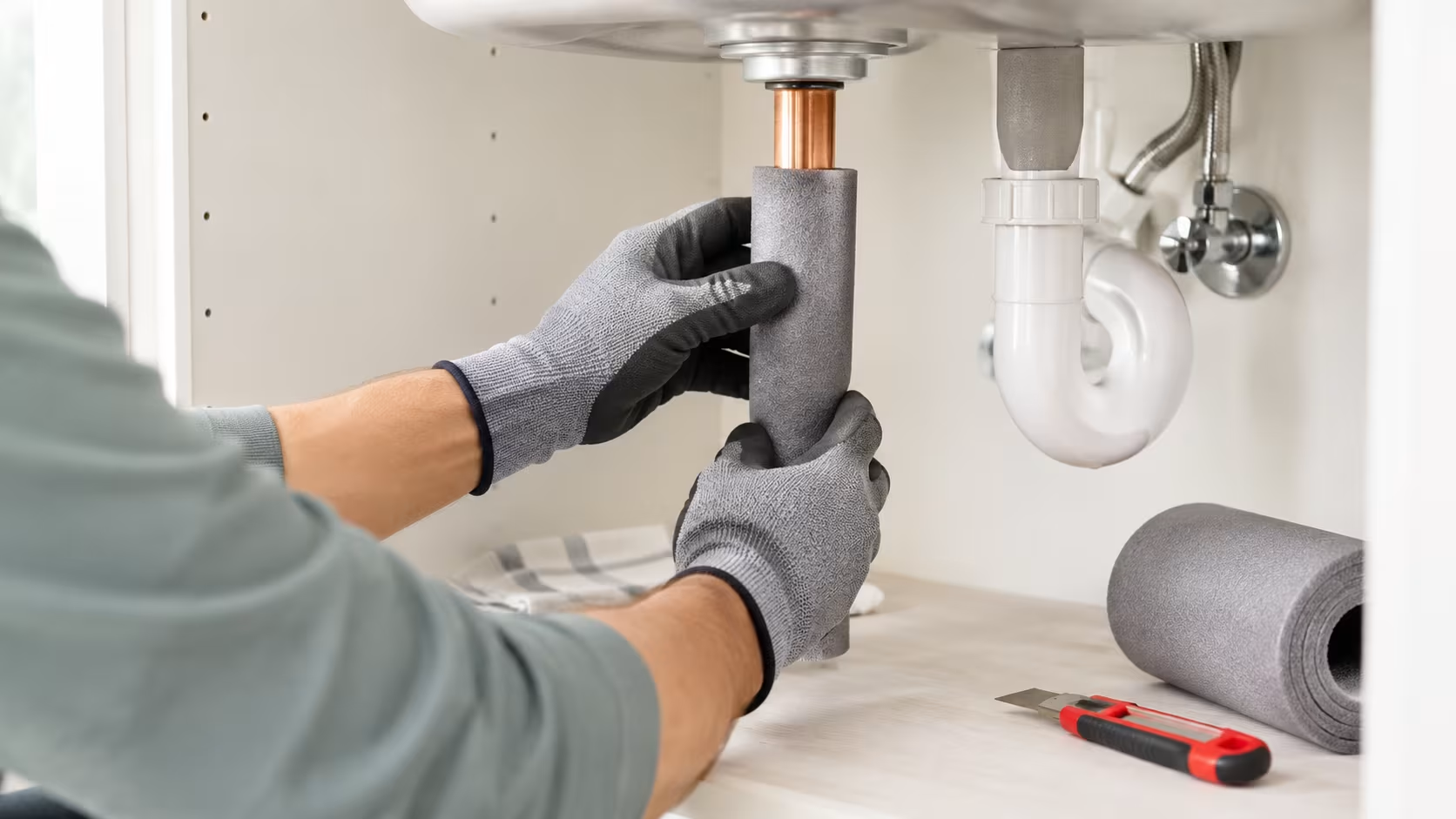
- Insulate exposed pipes in crawl spaces, garages and exterior walls, and insulate the water heater and its pipes.
- Water heater: if you turn off water for a long period, follow the manufacturer's instructions to drain or shut it down safely.
- Toilets and traps: in hard-freeze areas, plumbers use non-toxic antifreeze in traps and toilets to prevent cracking.
- Irrigation and hose bibs: shut off and drain outdoor lines and cover exposed fixtures.
Roof, gutters and drainage
- Have the roof and attic inspected before the rainy season. Industry guidance suggests an inspection costs far less than repairing hidden water damage.
- Clean gutters and downspouts, and make sure they discharge away from the foundation.
- Check that yard grading and drains carry water away from the structure.
- Trim branches that overhang the roof or could fall in a storm.
Openings, seals and critters
- Check weatherstripping, window seals and door sweeps.
- Seal gaps where rodents and insects enter. Cold weather pushes pests indoors, and an empty house is a quiet shelter.
- Close the fireplace damper and cap open flues.
Keep checking
Vacant-home guidance commonly recommends a visit every one to two weeks. In winter, add a visit after any significant storm or freeze. Look for new stains, drips, fallen limbs, debris in gutters and signs of forced entry.
De-winterize before reoccupying
Before a new tenant or buyer takes over, restore utilities, flush lines, check every fixture for leaks, relight pilots and test the heater and water heater. Document that everything works.
When to call a pro
Plumbing drain-downs, roof repairs and heating work are not casual DIY jobs. If you can't visit the property yourself, describe what's needed and have a coordinator schedule the right technicians.
Quick answers
Do I need to winterize a house in the Bay Area or Southern California?
Usually not for freezing, but rain, wind and drainage still matter. Clear gutters, check the roof and inspect after storms.
Is antifreeze safe in toilets and traps?
Plumbing-grade, non-toxic antifreeze made for this use is standard, but ask a plumber and follow local rules for disposal.
Sources
Related reading
Water Damage and Mold in a Vacant Property: The First 48 Hours
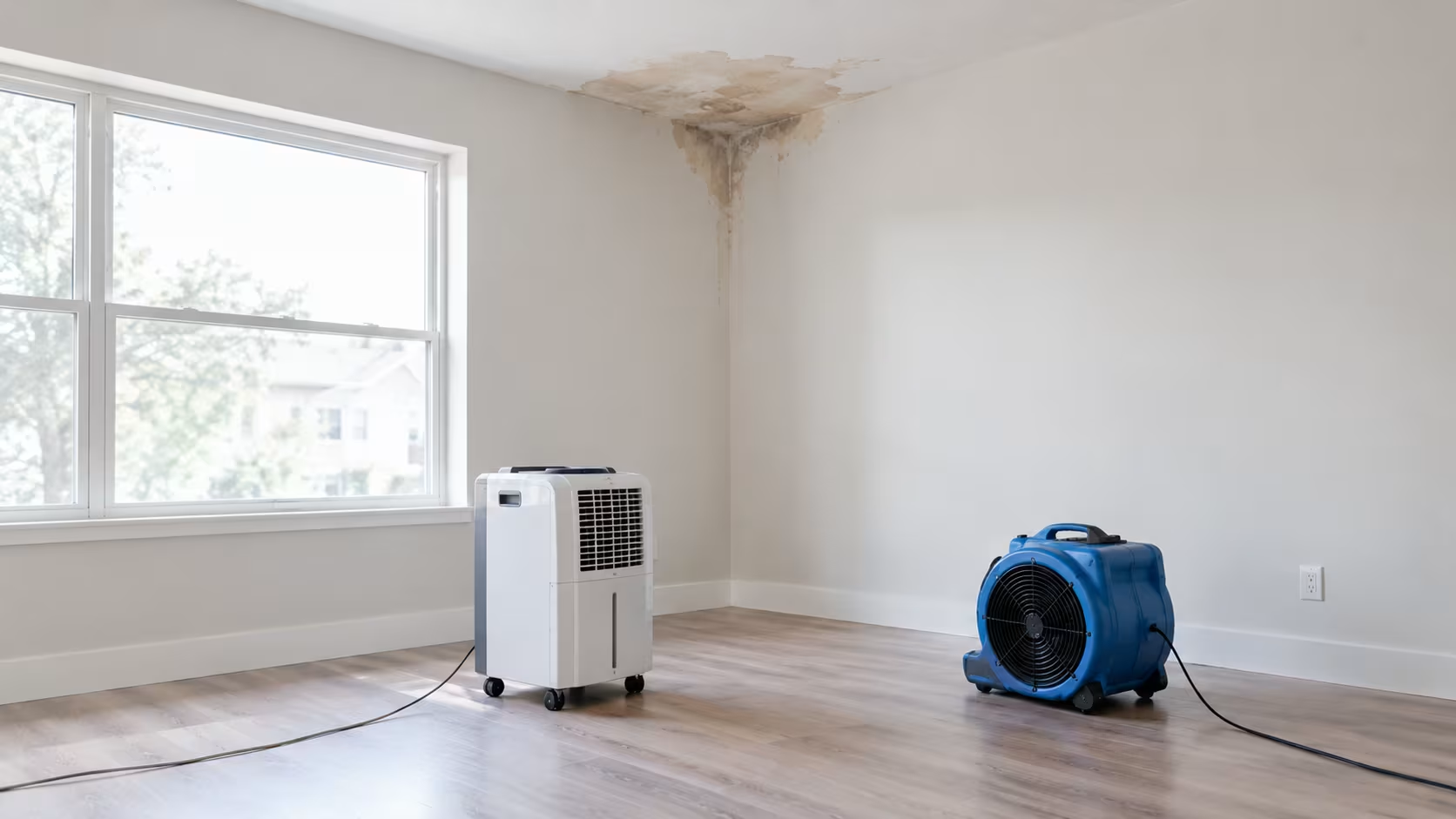
What to do in the first 48 hours after finding a leak or water damage in an empty California property, and how to keep mold from starting.

Defensible Space and Zone 0: Wildfire Prep for Vacant California Properties
How defensible space and the ember-resistant 'Zone 0' concept apply to vacant California homes, plus a seasonal vegetation checklist.
What Is Property Preservation? A Guide for California Property Owners
Property preservation explained: what it includes, who uses it, how it differs from routine maintenance, and what California owners, landlords and investors should know.