
Defensible Space and Zone 0: Wildfire Prep for Vacant California Properties
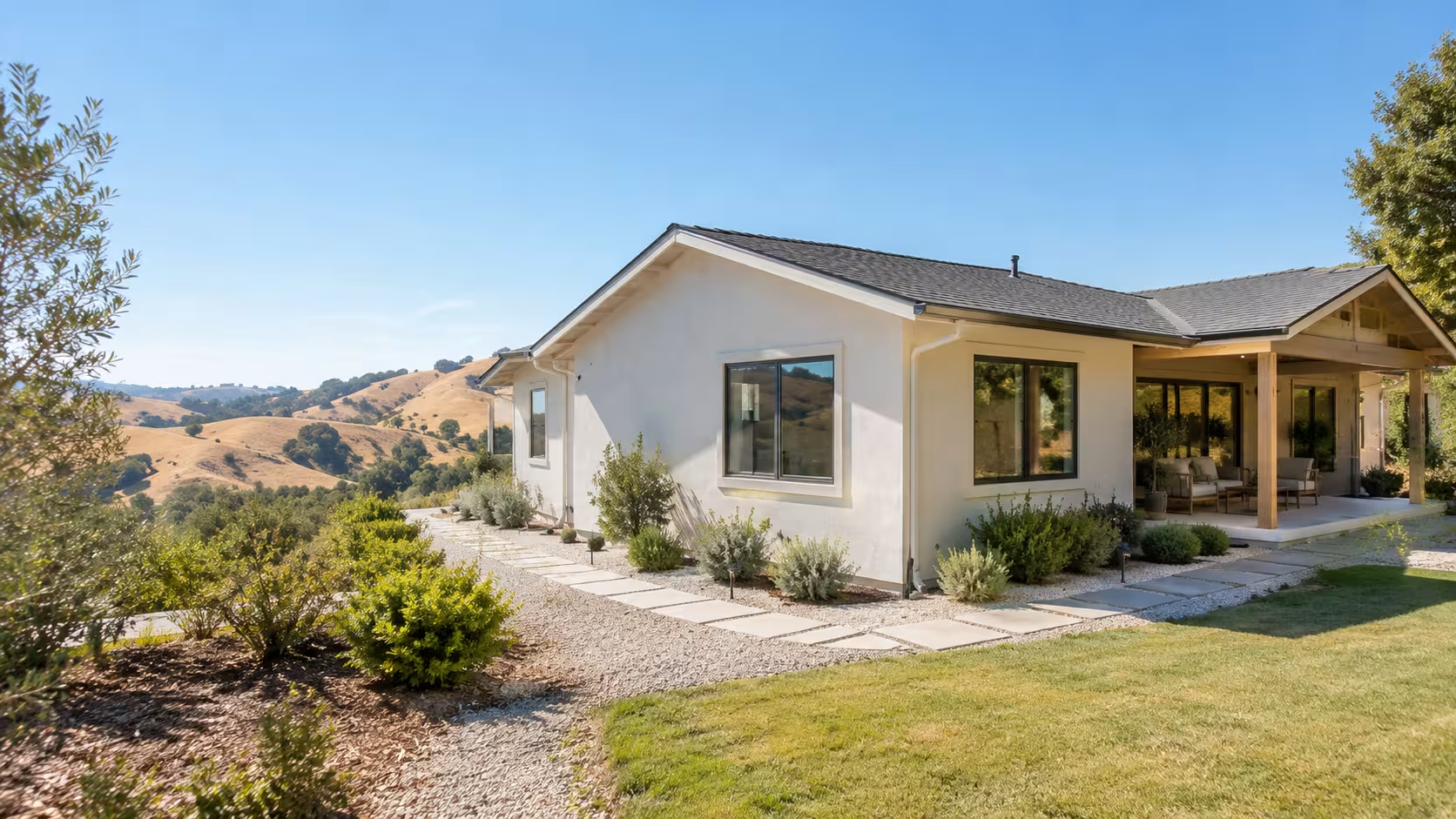
In much of California, the wildfire season never fully ends, and a vacant home has nobody to move the woodpile or clear dead brush. Defensible space is the buffer between a building and the vegetation around it. Here is how to think about it for an empty property.
What defensible space is
Defensible space is the area around a structure that is managed to slow or stop a fire's spread and to give firefighters room to work. California's long-standing rules require owners in designated fire hazard areas to maintain a buffer around structures, typically described as up to 100 feet, or to the property line, and to manage vegetation in stages.
What Zone 0 means
"Zone 0," also called the ember-resistant zone, refers to the first five feet around a building. Research on wildfire losses shows that wind-blown embers are a major way homes ignite, so this zone focuses on removing anything that burns easily next to the structure. California has been developing Zone 0 requirements, and some local governments, such as cities in the Oakland and Berkeley hills, already run wildfire inspection programs that address it. The status and exact rules vary by location and are evolving, so check with your local fire authority for what applies to your address.
A practical checklist for the first five feet
- Remove dead leaves, pine needles and debris from the ground, roof, gutters and under decks.
- Move firewood, lumber, mulch and propane tanks away from the structure.
- Remove or replace flammable plants and shrubs touching or beneath windows, eaves and vents.
- Prefer non-combustible surfaces next to the building, such as gravel or pavers.
- Clear combustible items from porches and decks, including furniture cushions, doormats and storage.
- Check that vents are covered with fine mesh to resist embers.
Beyond the first five feet
- Keep grass short and cut dry weeds.
- Prune tree limbs away from the roof and chimney and remove lower branches.
- Separate shrubs and trees so fire can't "ladder" from the ground to the canopy.
- Clear dead or dying trees and brush, subject to local rules and nesting-season restrictions.
Why vacant homes are harder
An occupied home gets seasonal attention without anyone thinking about it. An empty one grows brush, collects leaves and builds up fuel. That makes scheduled visits more important in the late spring through fall, and after wind events. Photos taken after vegetation work also help document compliance.
Insurance and compliance
Some insurers ask about defensible space and may inspect or ask for evidence of maintenance. Local fire agencies can issue notices or fines for neglected properties. Keeping a dated photo log of vegetation work protects you.
Do the work safely
Don't run mowers or cutting tools on hot, dry, windy days, since sparks can start fires. Work early in the day and follow local burn and equipment restrictions.
Regulations are changing, and local rules differ. Confirm current requirements with your local fire department, CAL FIRE or your city or county.
Quick answers
Is Zone 0 mandatory everywhere in California?
Not uniformly. Requirements have been developing at the state level and some cities already inspect for it. Check with your local fire authority for your address.
Who is responsible for a vacant property's vegetation?
Generally the owner. Local ordinances can issue notices and fines for neglected properties.
Sources
Related reading

Winterizing a Vacant Home in California: Freeze, Rain and Storm Prep
How to prepare an empty California property for cold snaps and the rainy season: plumbing, roof, gutters, drainage and regular checks.
Water Damage and Mold in a Vacant Property: The First 48 Hours
What to do in the first 48 hours after finding a leak or water damage in an empty California property, and how to keep mold from starting.
What Is Property Preservation? A Guide for California Property Owners
Property preservation explained: what it includes, who uses it, how it differs from routine maintenance, and what California owners, landlords and investors should know.