
What Is Property Preservation? A Guide for California Property Owners
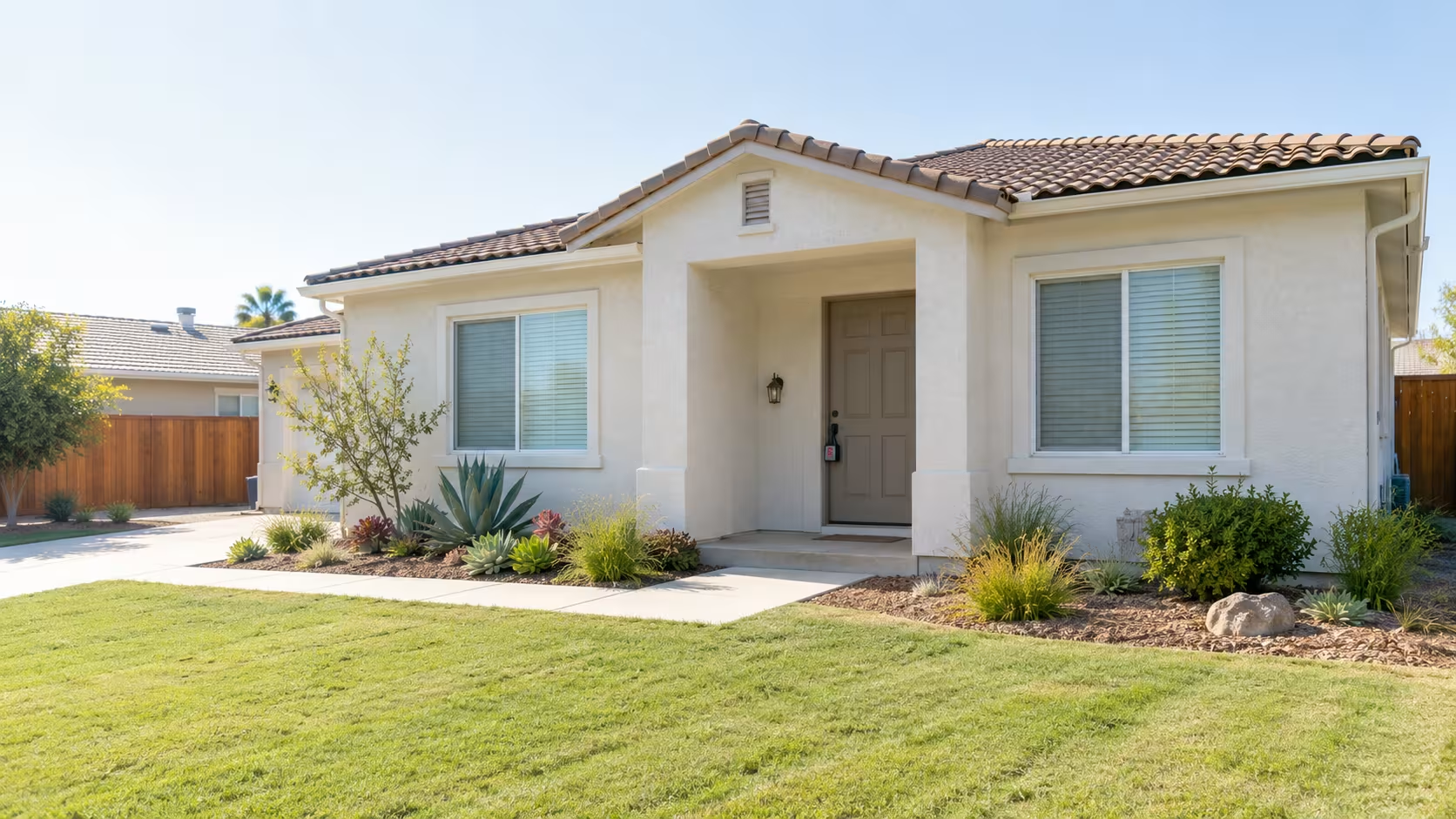
Property preservation is the work of protecting a building that nobody is living in, so it doesn't lose value while it waits for its next occupant or sale. It started as a lender and mortgage-company service. Today the same work matters to any California owner, landlord, investor or Realtor with an empty property.
What property preservation means
In the mortgage and real estate world, property preservation means keeping a vacant or distressed property secure, clean, safe and in stable condition. Industry providers describe it as securing, repairing, winterizing and addressing hazards so a home doesn't deteriorate or attract vandalism while it is empty.
The goal is simple: the property should look and perform the same on the day it is sold, re-rented or reoccupied as it did the day it was vacated, or as close to it as possible.
What property preservation usually includes
- Initial securing: changing or rekeying locks, boarding or securing broken doors and windows, and closing off access points.
- Inspections and photo reports: regular visits to confirm the property's condition, with dated photos so there is a record.
- Trash-out and cleanout: removing debris, abandoned belongings and hazards left behind.
- Exterior and yard care: mowing, trimming, clearing leaves and weeds so the property looks cared for and meets local rules.
- Winterization and de-winterization: protecting plumbing and systems in cold weather, then restoring them.
- Minor repairs: fixing leaks, damaged drywall, broken fixtures, doors, screens and other small issues before they grow.
- Safety fixes: addressing trip hazards, exposed wiring, standing water and similar problems.
How it differs from routine maintenance
Routine maintenance assumes someone lives in the home and will notice problems. A tenant hears the dripping faucet, sees the stain on the ceiling and calls. In an empty property nobody notices, so a small leak can run for weeks. Property preservation is built around the missing occupant: scheduled inspections, documentation, securing and fast response.
Who needs it in California
- Landlords and property managers between tenants, especially when turnover takes more than a few days.
- Property investors holding a purchase before renovation or resale.
- Realtors and sellers preparing a vacant listing or managing an estate sale.
- Heirs and out-of-area owners who inherit or own a property they can't visit often.
- Lenders and mortgage companies managing properties after a default or foreclosure.
California factors to keep in mind
Vacancy brings obligations. Many California cities and counties have rules about maintaining vacant buildings, and some require registration. Insurance policies often limit coverage when a home stays empty for an extended period (see our article on vacant home insurance in California). Wildfire-prone areas add vegetation and defensible-space expectations (see defensible space and Zone 0).
Where to start
Walk the property and make a list: Is it locked? Are utilities on or off on purpose? Is anything leaking, broken or left behind? Is the exterior tidy? You don't need to know which trade fixes each item. Describe what you see, add photos, and let a coordinator work out the scope.
Quick answers
Is property preservation only for foreclosures?
No. The term comes from the lender and mortgage industry, but private owners, landlords, investors and Realtors need the same protection for any vacant property.
How often should a vacant property be inspected?
A common practice is a visit every one to two weeks, and after storms or heavy rain.
Do I need a licensed contractor for preservation work?
Some tasks, such as lock changes, cleanouts and yard work, are routine. Larger repairs may require a licensed contractor under California rules. See our article on handymen and licensed contractors.
Sources
Related reading

Managing a California Property from Out of Town: A Remote Owner's Playbook
How out-of-area owners, heirs and investors can keep a California property inspected, secure and compliant without being there.

Vacant Property Maintenance Checklist for California Owners
A practical checklist for keeping a vacant California property secure, dry and presentable, from the first 48 hours to weekly inspections.

Is Your Vacant California Home Still Insured? What to Ask Your Insurer
Standard homeowner policies often limit coverage once a home sits empty. Learn what to ask your insurer and how maintenance records protect you.