
Trash-Out and Cleanout: Handling Left-Behind Belongings in California
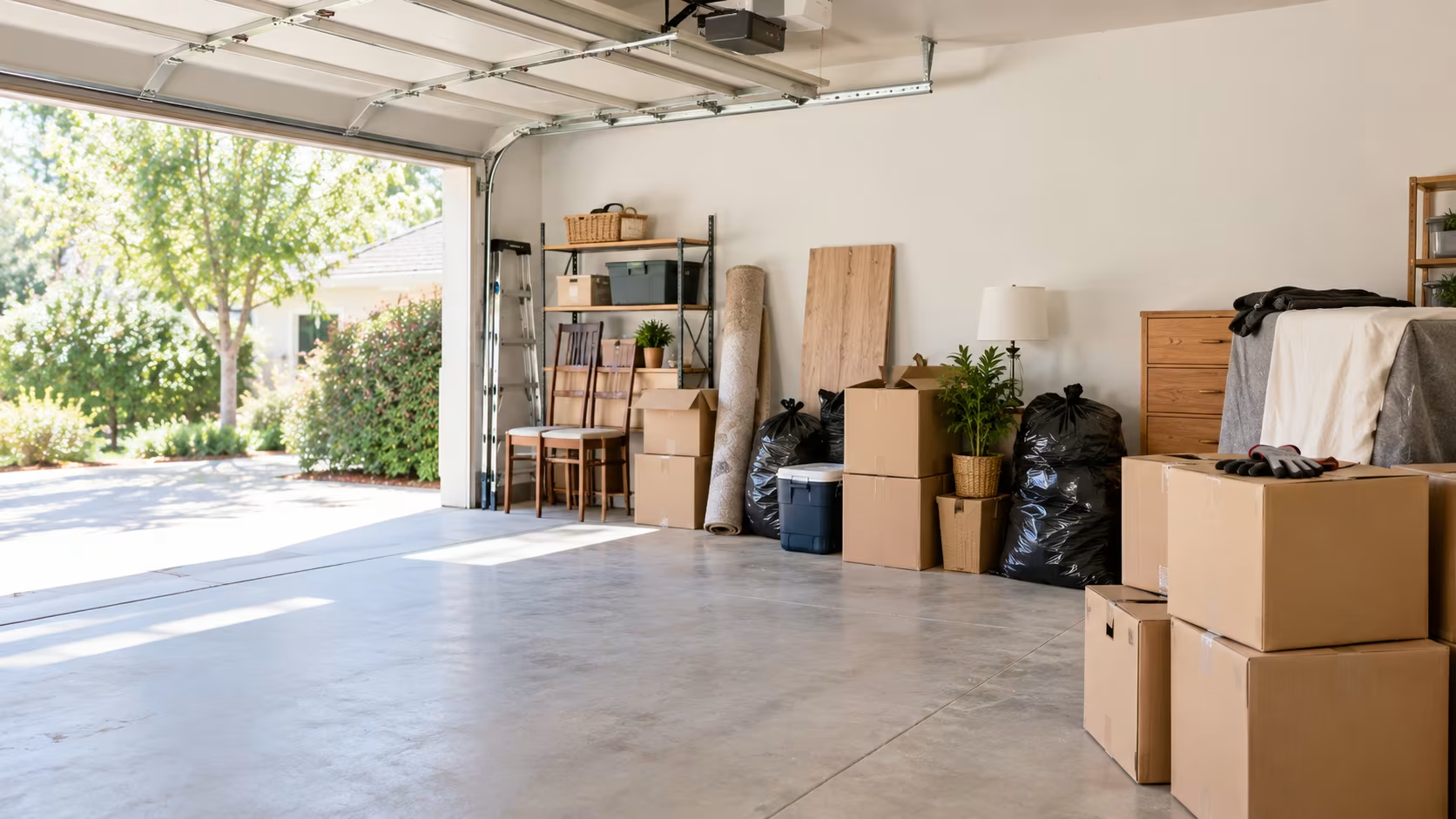
A tenant moves out and leaves furniture, boxes and trash behind. The temptation is to haul it all to the dump and move on. In California, personal property left behind has legal handling rules, and getting it wrong can create liability. Here is the safe approach.
Trash versus personal property
True trash, such as food waste, broken debris and obvious garbage, can be removed. Personal property, such as furniture, clothing, documents, electronics, tools and anything with value, is different. California law sets a process for what a landlord must do with belongings a tenant leaves after the tenancy ends, and the process depends on whether the tenancy has ended and whether the landlord has recovered possession.
The general process
- Confirm the tenancy has actually ended and you legally have possession. Don't dispose of anything while the tenant still has rights to the unit.
- Inventory and photograph everything, room by room, before touching it.
- Give the required written notice to the former tenant describing the property and how to reclaim it, with a deadline. California's statutes set specific notice contents and waiting periods.
- Store the property in a safe place during the waiting period.
- If the property is not claimed, follow the statutory options, which depend on its value, such as public sale or disposal when the value is below a statutory threshold.
Because the notice requirements, timelines and value thresholds are specific and can change, confirm the current rules or ask an attorney before deciding what to do with valuable items. Our crew can handle the physical work once you have clear direction.
If the property wasn't a tenancy
An inherited home, a purchased bank-owned property or an estate sale is a different situation. Heirs and executors must usually sort belongings, identify valuables and documents and keep family items. Don't discard anything that might be important: paperwork, photographs, jewelry, firearms, medications and electronics need care.
Handle hazards carefully
- Hazardous waste: paint, solvents, batteries, fuel, pesticides and pool chemicals can't go in ordinary trash. California counties run household hazardous waste programs.
- Electronics and appliances: many cannot go into regular landfill trash.
- Sharps and medications: require special disposal.
- Biohazards: severe contamination, including sewage or heavy animal waste, calls for specialists.
Plan the cleanout like a project
- Walk the property and photograph every room to define the scope.
- Note stairs, access, parking, volume of items and heavy items.
- Separate donation, recycling, hazardous and landfill streams.
- After removal, do a broom-clean or deep clean and a final photo set.
Document the result
Keep photos, notices, and receipts for disposal or donation. If a former tenant later claims you discarded valuable items, the inventory and notice record is your best defense.
This is general information, not legal advice. Abandoned property rules are technical. Confirm them with an attorney or your local landlord association before disposing of tenant belongings.
Quick answers
Can I throw out everything a tenant leaves?
Not automatically. Trash can go, but personal property usually follows a notice and storage process under California law.
Do you haul hazardous items?
Hazardous materials need proper disposal channels. Mention them in your request so they can be handled correctly.
Sources
Related reading
California Tenant Move-Out and Turnover Checklist for Landlords
A landlord's checklist for tenant move-outs in California: inspection, photos, cleaning, repairs, and the security deposit timeline and rules.
Can a California Landlord Enter a Rental? Notice Rules for Inspections and Repairs
A summary of California's landlord entry rules: the 24-hour written notice standard, valid reasons to enter, emergencies, and how to schedule repair work.
What Is Property Preservation? A Guide for California Property Owners
Property preservation explained: what it includes, who uses it, how it differs from routine maintenance, and what California owners, landlords and investors should know.