
California Tenant Move-Out and Turnover Checklist for Landlords
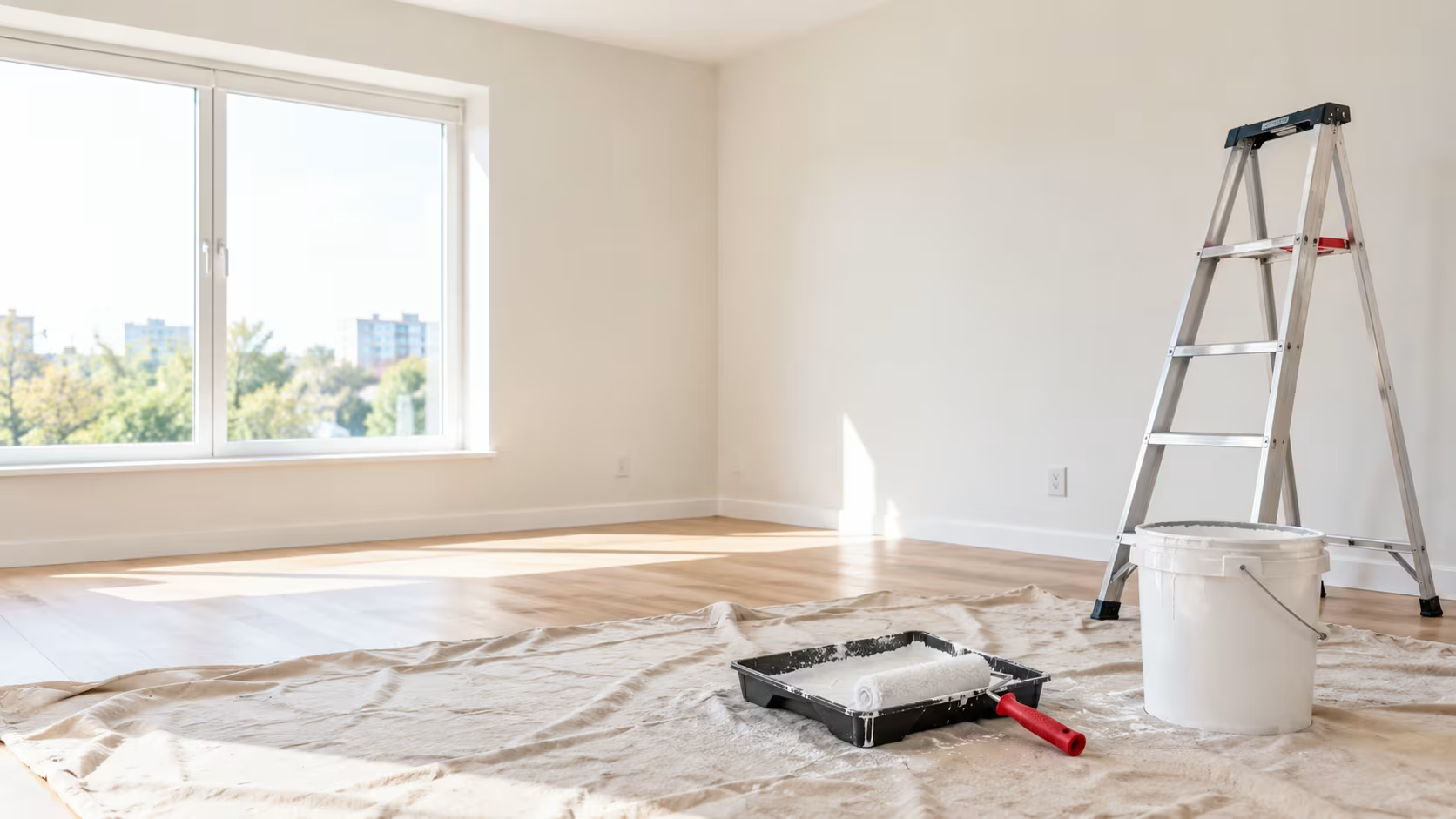
Turnover is where rental income is won or lost. A slow, messy turnover means extra vacancy days; a sloppy one leads to deposit disputes. This checklist walks through a California move-out in order, including the security deposit rules that changed in recent years.
1. Before the tenant leaves
- Confirm the move-out date in writing.
- Offer a pre-move-out walk-through. California rules require landlords to offer an initial inspection in the last two weeks of the tenancy so the tenant can fix issues and avoid deductions.
- Remind the tenant to return all keys, remotes and access devices.
2. The day you regain possession
- Photograph the unit before any cleaning or repairs. Since April 1, 2025, California landlords must take photos after the tenant leaves and before repairs or cleaning they plan to deduct for, and send them with the itemized statement.
- Rekey the locks.
- Note meter readings and check for leaks, pests, smells and damage beyond normal wear.
- Take a written inventory of anything left behind and read our guidance on abandoned belongings before you throw anything away.
3. Scope the work
Separate normal wear and tear (which landlords can't charge for) from damage (which they can, within limits). Typical turnover tasks include:
- Deep cleaning, including appliances, bathrooms and flooring
- Touch-up or full interior paint
- Drywall, door, blind, screen and fixture repairs
- Carpet or floor repair or replacement
- Plumbing, electrical and HVAC checks
- Yard cleanup and exterior check
- Trash-out of debris and abandoned items
4. Handle the security deposit correctly
- Deadline: return the deposit, or the unused part, within 21 days after the tenant vacates.
- Itemized statement: if you deduct anything, send a written statement listing each deduction and its purpose, with copies of bills, invoices or receipts. From January 1, 2025, include proof that the repairs were done.
- Photos: include the post-move-out photos described above.
- Deposit limits: from July 1, 2024, most landlords may charge up to one month's rent. A small-landlord exception allows up to two months if you meet the statutory conditions.
- For tenancies beginning on or after July 1, 2025, landlords must also photograph the unit at the start of the tenancy.
5. Cut vacancy days
Turnover often fails because trades are scheduled one after another, with gaps between. Coordinate cleaning, paint and repairs so they overlap where possible, and decide the scope on day one. One coordinator who understands the whole list is faster than five separate calls.
6. Final inspection and photos
Do a final walk-through before listing or handing over keys. Photograph the finished unit and keep before-and-after records with invoices. If a dispute arises, this file is your best evidence.
Rules change and local ordinances can add requirements. Confirm current California law and any local rent board rules, or consult an attorney, before relying on this summary.
Quick answers
What is the maximum security deposit in California?
For most landlords, one month's rent as of July 1, 2024. A narrow small-landlord exception allows two months.
Can I charge for normal wear and tear?
No. Deductions are limited to unpaid rent, cleaning to return the unit to its move-in condition, and damage beyond ordinary wear.
Sources
Related reading

Trash-Out and Cleanout: Handling Left-Behind Belongings in California
What to do with belongings left behind by a tenant or previous occupant in California, and why you shouldn't just throw them out.
Can a California Landlord Enter a Rental? Notice Rules for Inspections and Repairs
A summary of California's landlord entry rules: the 24-hour written notice standard, valid reasons to enter, emergencies, and how to schedule repair work.
What Is Property Preservation? A Guide for California Property Owners
Property preservation explained: what it includes, who uses it, how it differs from routine maintenance, and what California owners, landlords and investors should know.