
Vacant Property Maintenance Checklist for California Owners

A vacant property doesn't fail all at once. It fails quietly: a slow leak, a pest nest, a broken lock, an overgrown yard that tells everyone nobody is home. This checklist shows what to do in the first days after a property empties and what to keep doing until it is occupied or sold.
The first 48 hours
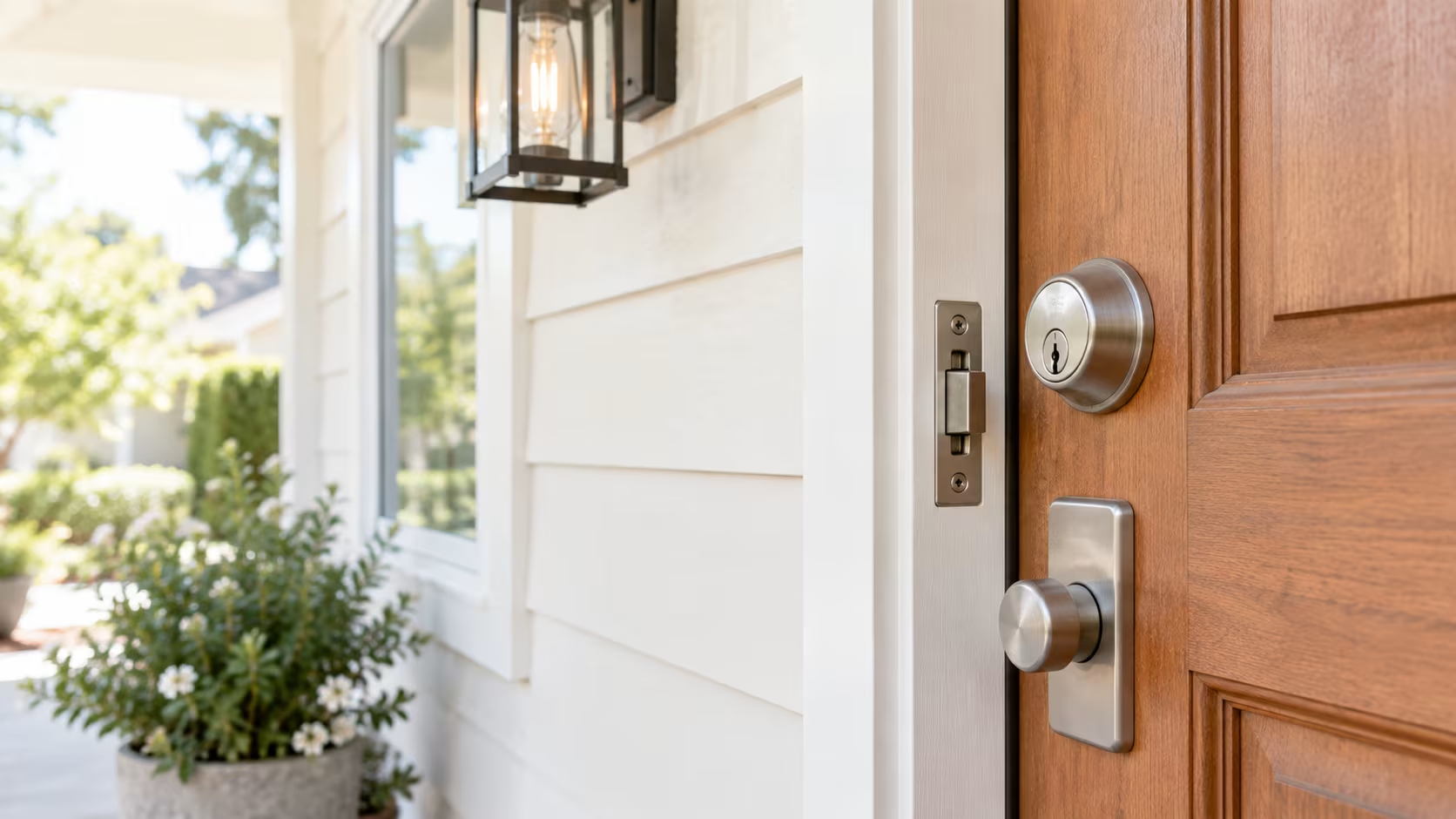
- Secure every entry point. Rekey or change locks, check windows, garage doors, side gates and sliding doors. Previous tenants, contractors and agents may still hold keys.
- Do a walk-through with photos. Photograph every room, the exterior, the roof line, the yard and the meters. Date-stamped photos are your baseline for insurance and deposit questions.
- Find the water shut-off, electrical panel and gas shut-off, and decide deliberately which utilities stay on.
- Remove belongings and trash. Piles and leftover items signal vacancy and can be a fire or pest problem. Abandoned tenant property has legal steps in California, so see our cleanout article before you dispose of anything.
Utilities: decide on purpose
Leaving utilities on helps with inspections, lighting, security systems and, in hot areas, preventing heat damage. Turning water off at the main limits the damage from a burst line. Many owners keep electricity on, shut off water to the structure or irrigation when appropriate, and have someone check meters for unexplained usage. Whatever you choose, record it and make sure everyone who visits knows.
Inside the property
- Check under sinks, around the water heater, toilets and appliance connections for leaks or stains.
- Look at ceilings and corners after rain for new water marks.
- Run the HVAC briefly to confirm it works and change the filter.
- Look for signs of rodents, insects, birds and squatters.
- Test smoke and carbon monoxide alarms. California requires working alarms in residential units.
- Keep the air moving: open interior doors and, when it is safe and secure, ventilate to reduce musty air and moisture.
Outside the property
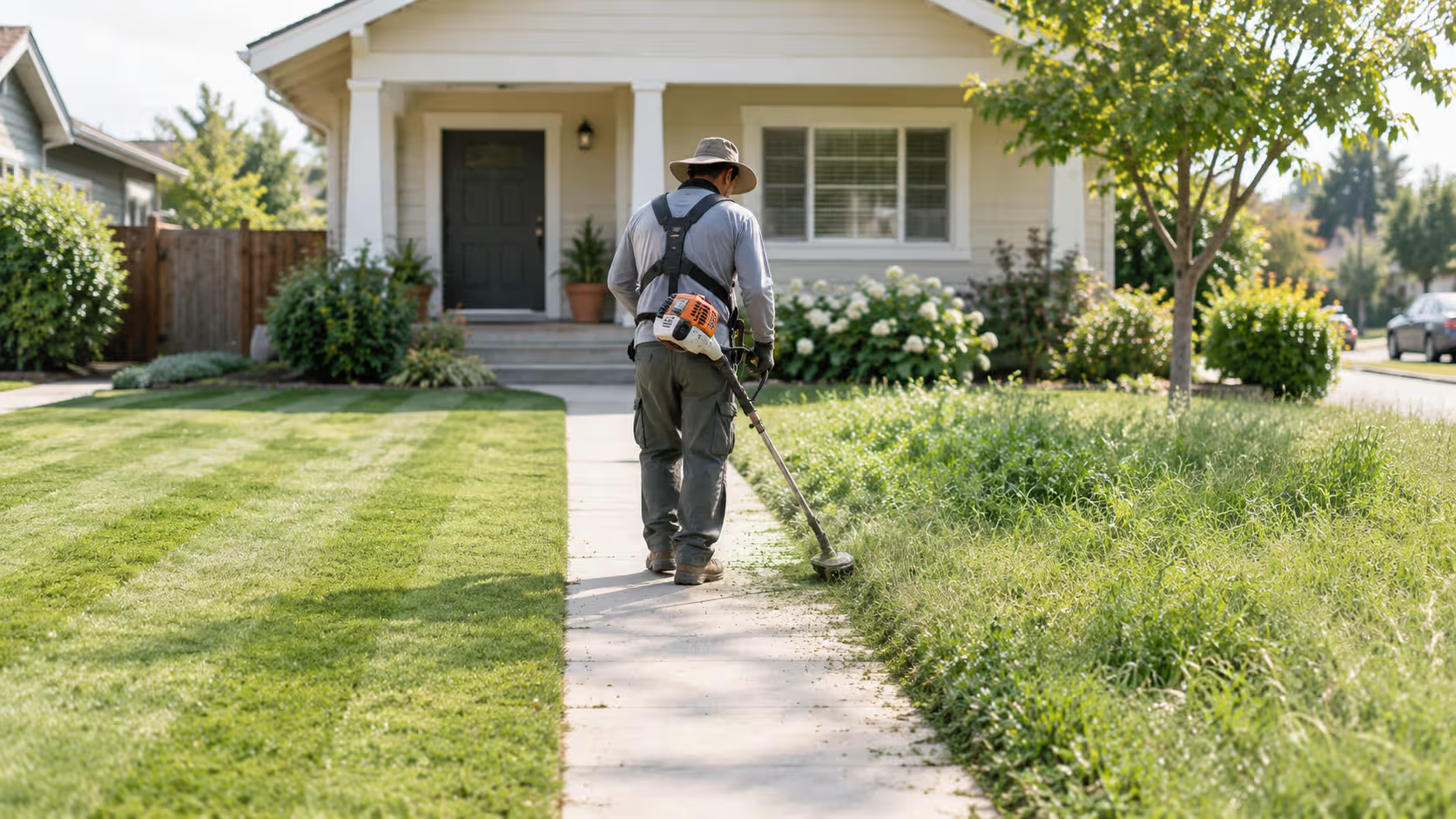
- Keep the lawn mowed and landscaping trimmed. A neglected yard is the clearest sign a property is empty.
- Clear gutters and downspouts, especially before the rainy season.
- Clear dead vegetation and debris near the structure, which matters for fire risk in much of California.
- Look at the roof, fence, gates and exterior lighting.
- Remove flyers, packages and mail so the property doesn't look unattended.
Make it look lived-in
Put exterior lights on timers, keep curtains or blinds consistent, keep the driveway clear and ask a neighbor or manager to alert you to anything odd. Visible care deters vandalism and squatting.
Inspect on a schedule
A visit every one to two weeks is a common standard for vacant properties, plus an extra visit after storms, high winds, heat waves or an alarm. Use the same checklist each time and take photos. Over time the photo log becomes your proof that the property was monitored.
Check local rules
Some California cities require owners to register vacant buildings, maintain them to a standard, or keep a local contact. Fines can apply for neglected properties. Call your city's code enforcement office to confirm what applies to your address.
Don't wait for a big problem
The cheapest repair is the one made while the problem is small. If you can't inspect regularly, because you live elsewhere or manage many properties, hire someone to do it and send you reports.
Quick answers
Should I turn the water off in a vacant house?
Often yes, or at least know exactly where the shut-off is. Shutting off the main limits damage from a burst pipe, but you may need water for cleaning, landscaping or inspections. Choose deliberately.
What do vacant properties get wrong most often?
Nobody notices slow leaks and exterior neglect. Regular inspections solve both.
Sources
Related reading

Is Your Vacant California Home Still Insured? What to Ask Your Insurer
Standard homeowner policies often limit coverage once a home sits empty. Learn what to ask your insurer and how maintenance records protect you.
Protecting a Vacant Property from Squatters, Theft and Vandalism
Practical, lawful steps to deter squatters, break-ins and vandalism at an empty California property, and what to do if someone is inside.
Code Enforcement and Vacant Properties in California: Avoiding Fines
Why California cities cite vacant and neglected properties, the most common violations, and how to stay compliant.