
Protecting a Vacant Property from Squatters, Theft and Vandalism
Empty properties attract trouble when they look empty. Most of the protection is simple: make the property look cared for, keep it secure, and check it often enough that problems are found in days, not months.
Prevention beats removal
Removing someone who has moved into a property takes legal process and time, and the property often suffers in the meantime. The cheapest strategy is making the property a poor target.
Look occupied and maintained
- Keep the lawn, hedges and walkways tidy.
- Clear mail, flyers and packages promptly.
- Use timers or smart lighting inside and out.
- Keep blinds or curtains in a consistent, closed pattern.
- Fix broken windows, doors and fences quickly.
- Remove graffiti fast.
Secure the building
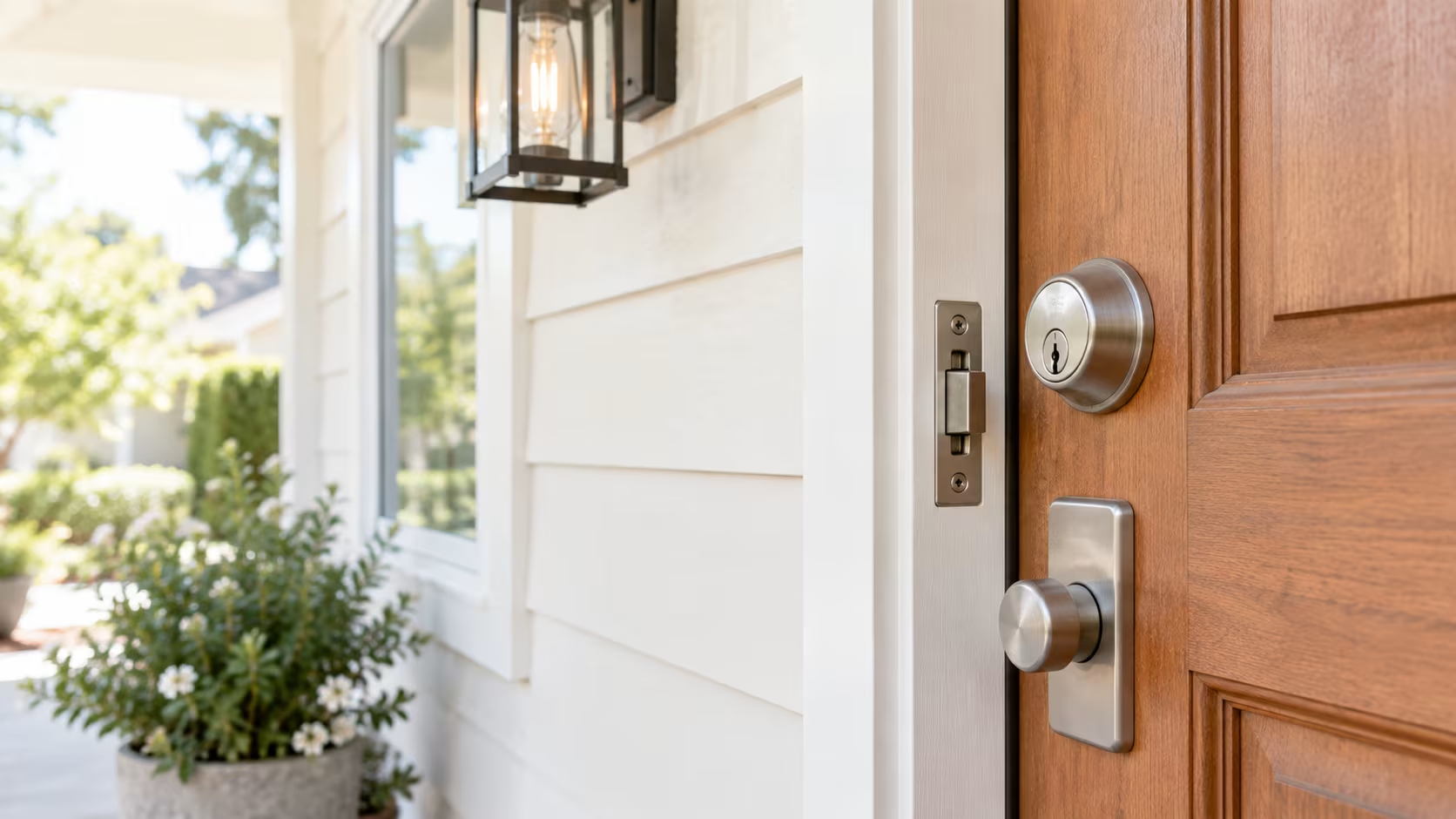
- Rekey or replace locks at every turnover.
- Reinforce doors, frames and strike plates.
- Secure sliding doors with a bar or pin, and garage doors.
- Close and latch windows, secure crawl-space and basement access.
- Consider motion lights, cameras, or a monitored alarm.
- Remove valuables, copper, appliances and fixtures that attract theft.
Know your neighborhood
Tell a neighbor or nearby manager that the property is vacant and give them a number to call. Post required contact information if local rules require it. Neighbors often notice problems first.
Inspect on a schedule
Visit every one to two weeks and check every entrance, the side yard and any outbuildings. Signs of entry include new locks, damaged doors, boarded windows, unfamiliar belongings, utility use you didn't expect, and trash.
If you suspect someone is inside
- Don't confront anyone or enter alone.
- Call the police non-emergency line, or 911 if you feel there is danger.
- Do not change locks, cut utilities or remove a person's belongings yourself if they claim to live there. Self-help actions can create liability for the owner.
- Document what you see and talk to an attorney about the correct legal process.
After a break-in
- File a police report and keep the number.
- Secure the opening, with boarding if needed.
- Photograph the damage before repairs.
- Notify your insurer.
- Re-evaluate locks, lighting and inspection frequency.
Laws about unauthorized occupants and eviction are specific. For a situation involving an actual occupant, talk to an attorney or law enforcement before taking action.
Quick answers
Should I board up windows?
Boarding is a stopgap for broken openings. Repairing and securing windows properly is better, since boards can signal vacancy.
How often should I check a vacant home?
Every one to two weeks is common, and after storms or alarms.
Sources
Related reading
Vacant Property Maintenance Checklist for California Owners
A practical checklist for keeping a vacant California property secure, dry and presentable, from the first 48 hours to weekly inspections.

Is Your Vacant California Home Still Insured? What to Ask Your Insurer
Standard homeowner policies often limit coverage once a home sits empty. Learn what to ask your insurer and how maintenance records protect you.
Code Enforcement and Vacant Properties in California: Avoiding Fines
Why California cities cite vacant and neglected properties, the most common violations, and how to stay compliant.