
How to Describe a Property Problem So You Get the Right Fix the First Time

Most delays in property repair come from missing information. A clear request, with a few photos and a priority, lets a coordinator scope the work correctly before anyone drives to the site. Here is what to include.
Describe what you see, not what you think the fix is
You don't need to know which trade solves the problem. "Water stain on the bedroom ceiling that grows after rain" is more useful than "need a roofer," because the real cause might be flashing, a plumbing leak or a clogged gutter.
The details that help most
- Address and property type: single-family, condo, duplex or multifamily.
- Where: which room, wall, side of the house or unit.
- When it started and whether it is getting worse.
- Photos and short video: a wide shot for context, a close-up for detail.
- Access: lockbox, key holder, tenant contact, gate codes, pets, parking.
- Occupancy: vacant, tenant-occupied, or owner-occupied, since tenant entry needs notice.
- Urgency: immediate hazard, or flexible?
- Target timeline: a date you need it done by, such as a listing or move-in date.
Be honest about priority
Urgent means active leaks, safety hazards, security breaches or a deadline close at hand. Flexible means it can be scheduled alongside other work, which often makes scheduling easier and sometimes helps cost. Telling us the real priority keeps urgent jobs moving.
Bundle related issues
If several things need doing, list them in the same request. Combined visits cut trips and let one coordinator plan the sequence, such as cleaning after paint and repairs.
Mention constraints
- Tenant schedules and notice requirements.
- HOA rules and work-hour limits.
- Budget ceilings or approval requirements.
- Permit or inspection deadlines.
What happens next
Share the request, we review the scope with you, and technicians are coordinated for the work. Afterwards you should receive a summary of what was done with photos you can keep for your records.
Quick answers
Do I need to know what's wrong?
No. Describe what you see and add photos, and the scope can be worked out from there.
What if a tenant lives there?
Tell us, and share their contact and your notice arrangements so entry follows the rules.
Related reading

Handyman or Licensed Contractor? California's $1,000 Rule Explained
When California law requires a licensed contractor, what changed on January 1, 2025, and how to hire safely for property repairs.

What Affects the Cost of Property Maintenance and Preservation Work?
The factors that drive the price of vacant property work in California, how to compare quotes, and how to avoid paying twice.
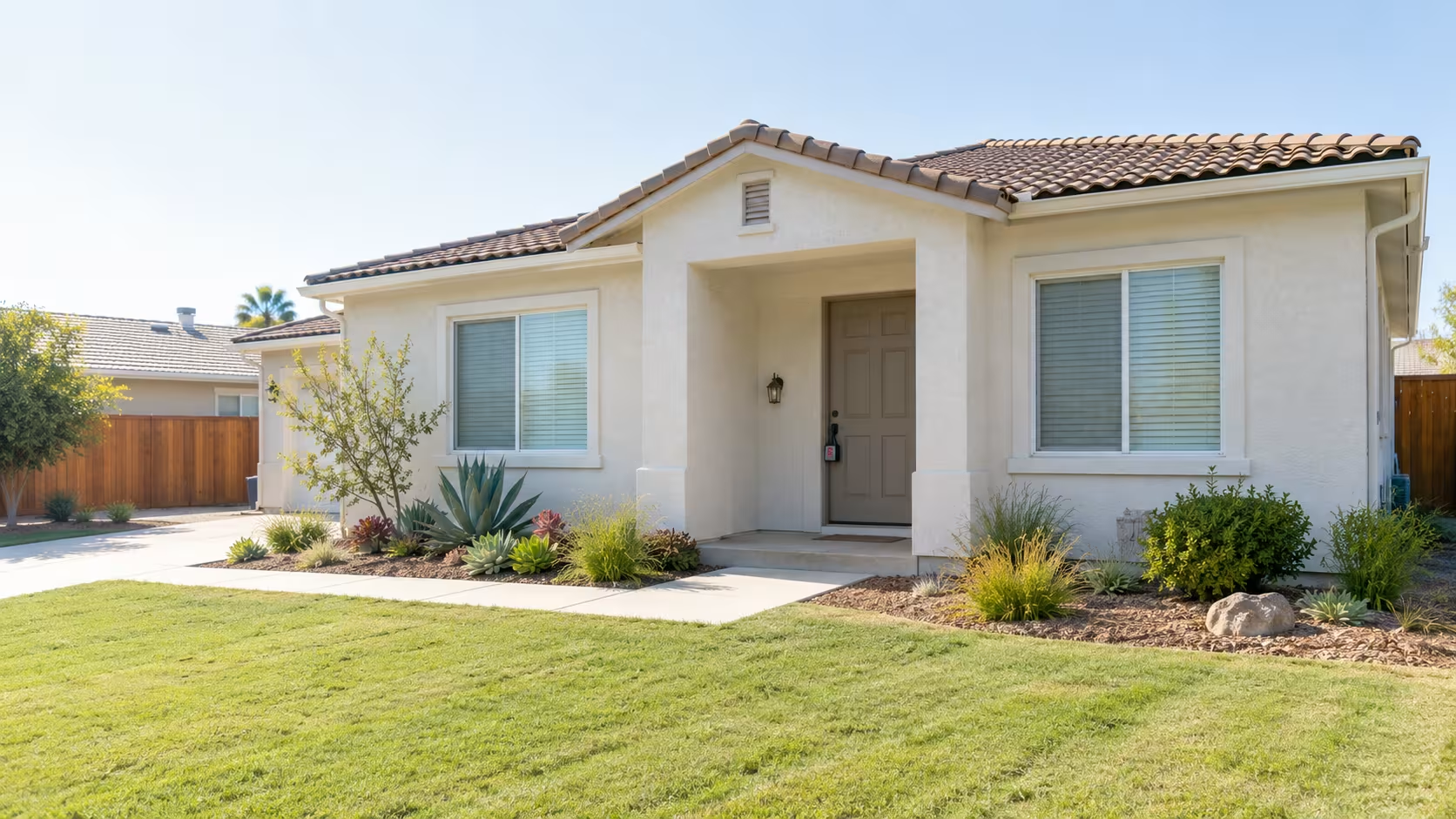
What Is Property Preservation? A Guide for California Property Owners
Property preservation explained: what it includes, who uses it, how it differs from routine maintenance, and what California owners, landlords and investors should know.